
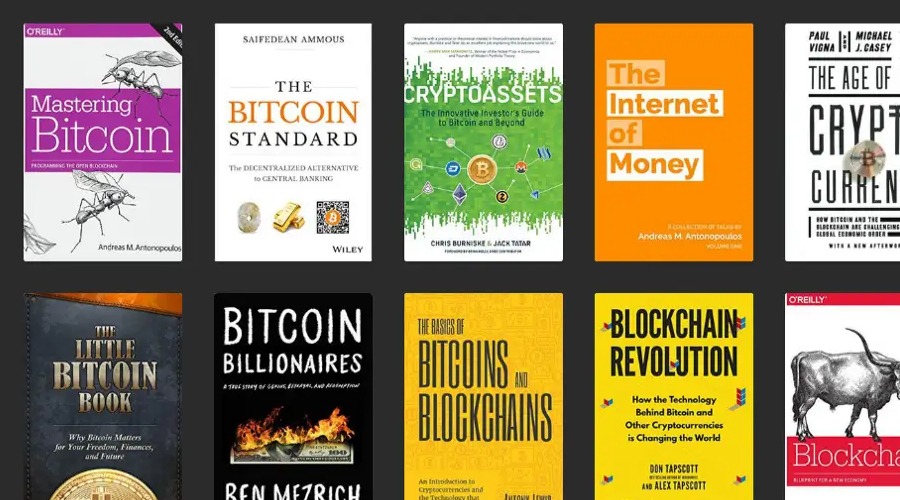
Ten Bitcoin books are arranged from early history to money, mechanics and criticism. Each author’s argument is labeled as opinion. Number Go Up adds a skeptic’s view of the wider crypto industry. Mastering Bitcoin offers a technical finish.
Bitcoin has existed since 2009. Its price makes headlines every week. Yet the price explains almost nothing about what Bitcoin is or why people argue over it. A good book gives the full argument. A headline gives only the mood.
A Subject Full of Strong Opinions
Bitcoin writing has changed. Early books told the story of a strange experiment. Later ones argued about money, freedom, and risk. Some authors own Bitcoin. Others built careers by doubting it. Neither group is neutral.
This list favors clarity, range of views, and lasting value. The order is deliberate. It starts with history, moves to money, and then to how Bitcoin works and what it means. It ends with a critic and a technical manual.
From Story to Money to Mechanics
Digital Gold by Nathaniel Popper comes first. Published in 2015, it tells the early story at the pace of a thriller. It follows the first believers, the unknown creator called Satoshi Nakamoto, and the first crashes. Recent years fall outside its pages.
Money comes next. Broken Money by Lyn Alden traces how money has changed over centuries. Alden argues that today’s system is under strain. Those conclusions are her own analysis. The history is solid.
Layered Money by Nik Bhatia describes money as layers. A base asset sits at the bottom. Banks promise rest above it. Payment apps sit on top. Bhatia then asks where Bitcoin might fit.
The Price of Tomorrow by Jeff Booth asks why living costs keep rising when technology makes goods cheaper. Booth argues that financial systems can stop those savings from reaching shoppers. Many economists dispute this. The question still changes how prices look.
Inventing Bitcoin by Yan Pritzker is short and plain. It describes Bitcoin as a shared notebook kept in sync by thousands of strangers. No one can quietly change an entry. It also explains the problems Bitcoin was built to solve. It reads best after the money books.
Ideas, Impact, and the Case Against
The Internet of Money by Andreas Antonopoulos collects his talks. It focuses less on mechanics and more on what open, borderless money could mean. Antonopoulos is an enthusiast. The talks work best as vision, not prediction.
Check Your Financial Privilege by Alex Gladstein looks at places where governments freeze bank accounts or savings lose value overnight. It shows why some residents turn to Bitcoin. The stories are powerful. They do not prove that Bitcoin works everywhere.
The Bitcoin Standard by Saifedean Ammous is the most influential and most debated title here. Ammous argues that Bitcoin acts like digital gold, with a fixed supply. Many economists disagree. It is one strong argument, not the final word.
Number Go Up by Zeke Faux supplies the counterweight. The reporter investigates fraud, hype, and collapsed companies across the wider crypto industry. The book is not mainly about Bitcoin. That distinction matters. It also shows why claims deserve a look at who profits from them.
Mastering Bitcoin by Antonopoulos closes the list. This technical manual is written for programmers and engineers. Readers need not read it to follow the other nine. It suits those whose curiosity grows into a wish to see how everything runs.
Which Book Fits Which Reader
Level and purpose differ across the list. The table sorts them.
| Book | Level | Best for |
| Digital Gold | Easy | Newcomers wanting history |
| Broken Money | Medium | Those curious about money |
| Layered Money | Medium | Visual thinkers |
| The Price of Tomorrow | Easy | Economics debate fans |
| Inventing Bitcoin | Easy | First explanation |
| The Internet of Money | Easy | Big-picture readers |
| Check Your Financial Privilege | Easy | Human rights interest |
| The Bitcoin Standard | Medium | Testing a strong thesis |
| Number Go Up | Easy | Cautious skeptics |
| Mastering Bitcoin | Hard | Programmers and engineers |
Reading with Care
Dates matter. Prices and news inside older books are history. The core ideas have stayed steady since 2009. Some titles have newer editions, which are worth checking.
Authors deserve the same scrutiny. Owners, industry insiders and career critics all have a stake. That does not make them wrong. It marks where to read with care. Pairing The Bitcoin Standard with Number Go Up is a simple way to hear both sides.
A Practical Starting Point
Newcomers can begin with Digital Gold, Inventing Bitcoin, and Broken Money. That trio covers the story, the idea, and the money behind it. A second book from a different camp then tests what was learned.
Understanding Bitcoin does not require buying it. Readers who later consider investing can start with a beginner guide to cryptocurrency investing. Whatever the choice, the questions stay the same: what it can do, what it cannot do and where the risks sit.
Final Thought
Bitcoin will keep changing. The books about it will change too. The next wave will debate tools and rules that do not exist yet. Readers who practice weighing evidence now will be ready for them. The best result of finishing any book here is a sharper question for the next one.