AI tools change every few months, but the people who actually understand them are not chasing every update. They are reading with intent, picking books that explain how these tools work and how to use them well. The titles below, all published through Analytics Insight Books, are built for exactly that. Each one focuses on a real, practical skill rather than abstract theory, making them useful whether you are new to AI or already using it daily at work.
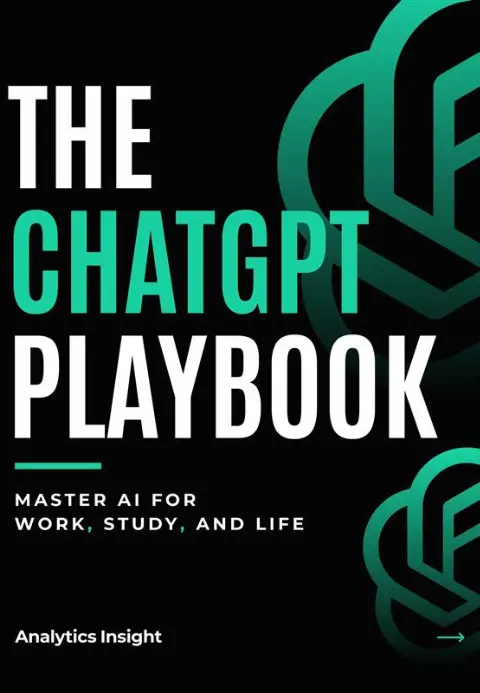
The ChatGPT Playbook: Master AI for Work, Study, and Life
This is the most accessible entry on the list, written for readers who want to get more out of ChatGPT without wading through technical jargon. It walks through real prompts and workflows for work tasks, studying, and everyday problem-solving, making it a solid starting point for beginners and a useful refresher for regular users who want to sharpen their prompting habits.
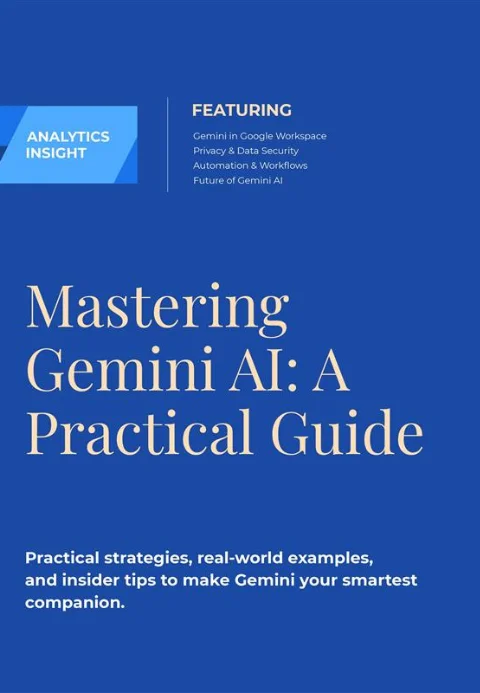
Google’s Gemini has its own strengths and quirks, and this guide is built around them specifically rather than treating all AI chatbots as interchangeable. It covers how to structure prompts for Gemini’s multimodal features, when to use it over other tools, and how to fit it into a daily workflow for research, writing, and analysis.
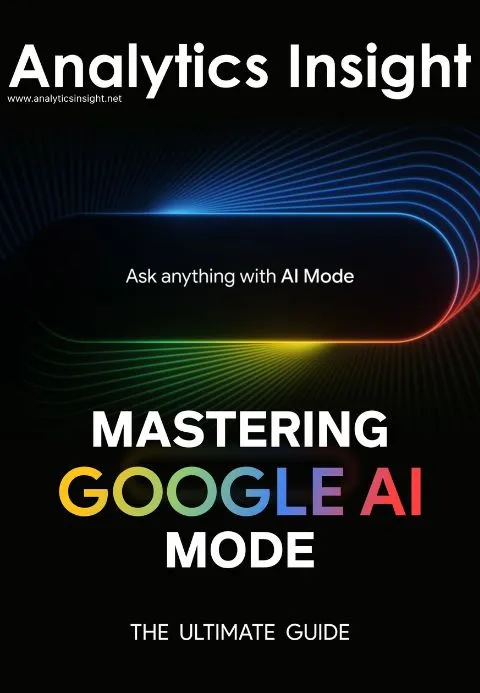
As AI Mode reshapes how search results appear, this book breaks down what is actually changing for everyday users and for anyone trying to get visibility in AI-driven search. It is a practical read for marketers and content creators who need to understand how AI Mode pulls and presents information, not just casual readers curious about the feature.
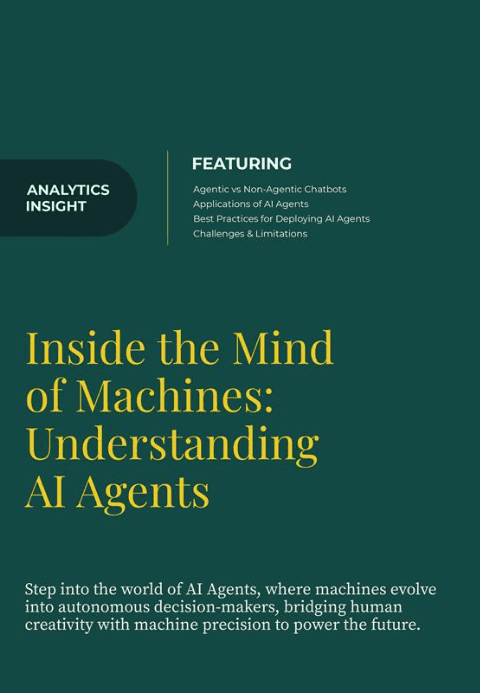
Inside the Mind of Machines: Understanding AI Agents
Agentic AI is one of the most talked-about and least understood parts of the current AI wave. This book takes a step back from the hype and explains, in plain language, how AI agents actually sense, plan, and act on their own. It is a strong pick for readers who want to understand the technology shaping the next phase of automation, without needing a technical background to follow along.
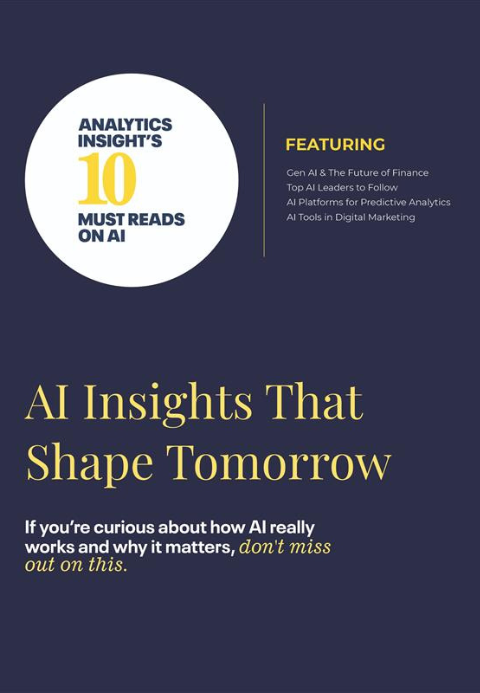
This one works as a broader primer for readers who want a wider view of where AI is heading across industries, rather than a deep dive into a single tool or trend. It pulls together strategic insights on AI adoption, innovation, and impact, making it a useful companion for anyone trying to build a general understanding before specializing further.
Artificial Intelligence: A Guide for Thinking Humans by Melanie Mitchell
Mitchell offers one of the most balanced accounts of what AI can and cannot actually do. Instead of leaning into hype or doom, she walks through real systems and their real limitations, making this a strong pick for readers tired of overstated claims about AI capabilities.
Life 3.0 by Max Tegmark
Written by a physicist rather than a computer scientist, this book looks at how AI could reshape society over the long run, from the economy to questions of human identity. It works well as an entry point for readers who want the big-picture stakes of AI without getting lost in technical detail.
Competing in the Age of AI by Marco Iansiti and Karim Lakhani
Drawing on real corporate examples, this book looks at how AI changes company strategy and operating models rather than just individual tasks. It is a useful read for leaders trying to understand AI as a structural shift in how businesses compete, not just a new tool to adopt.
Why these books are worth your time
What ties this list together is that none of these titles try to cover everything about AI at once. Each one picks a specific angle, whether it is a tool, a job market, or a technology trend, and goes deep enough to actually be useful. That focus is what makes them worth the read in a year when AI content is everywhere but genuinely practical guidance is harder to find. Pick the one that matches the problem you are actually trying to solve, whether that is getting better at prompting, understanding agentic AI, or planning a career move, and start there.